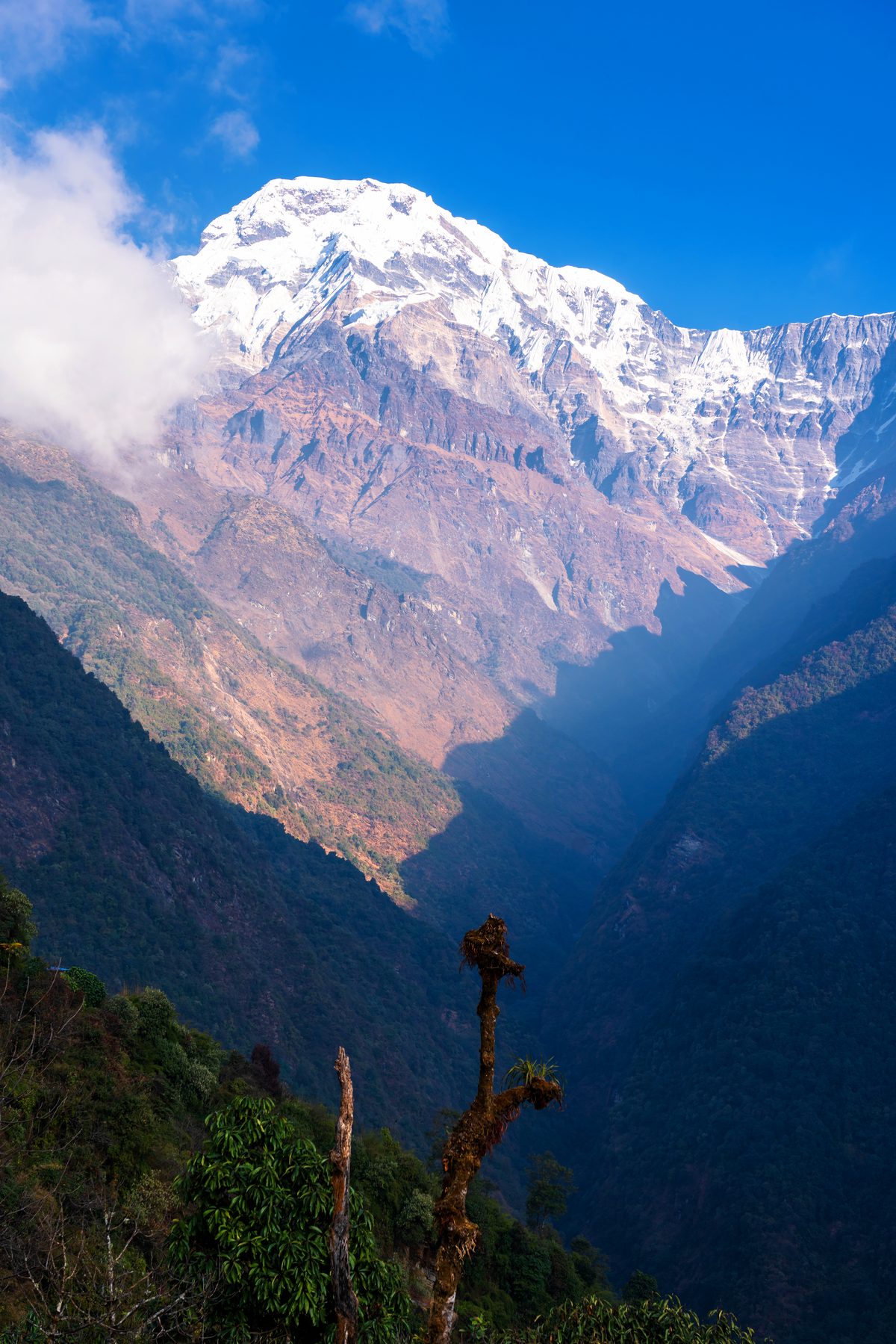
The Annapurna Luxury Trek: Where the World's Most Dramatic Trail Meets Uncompromising Refinement
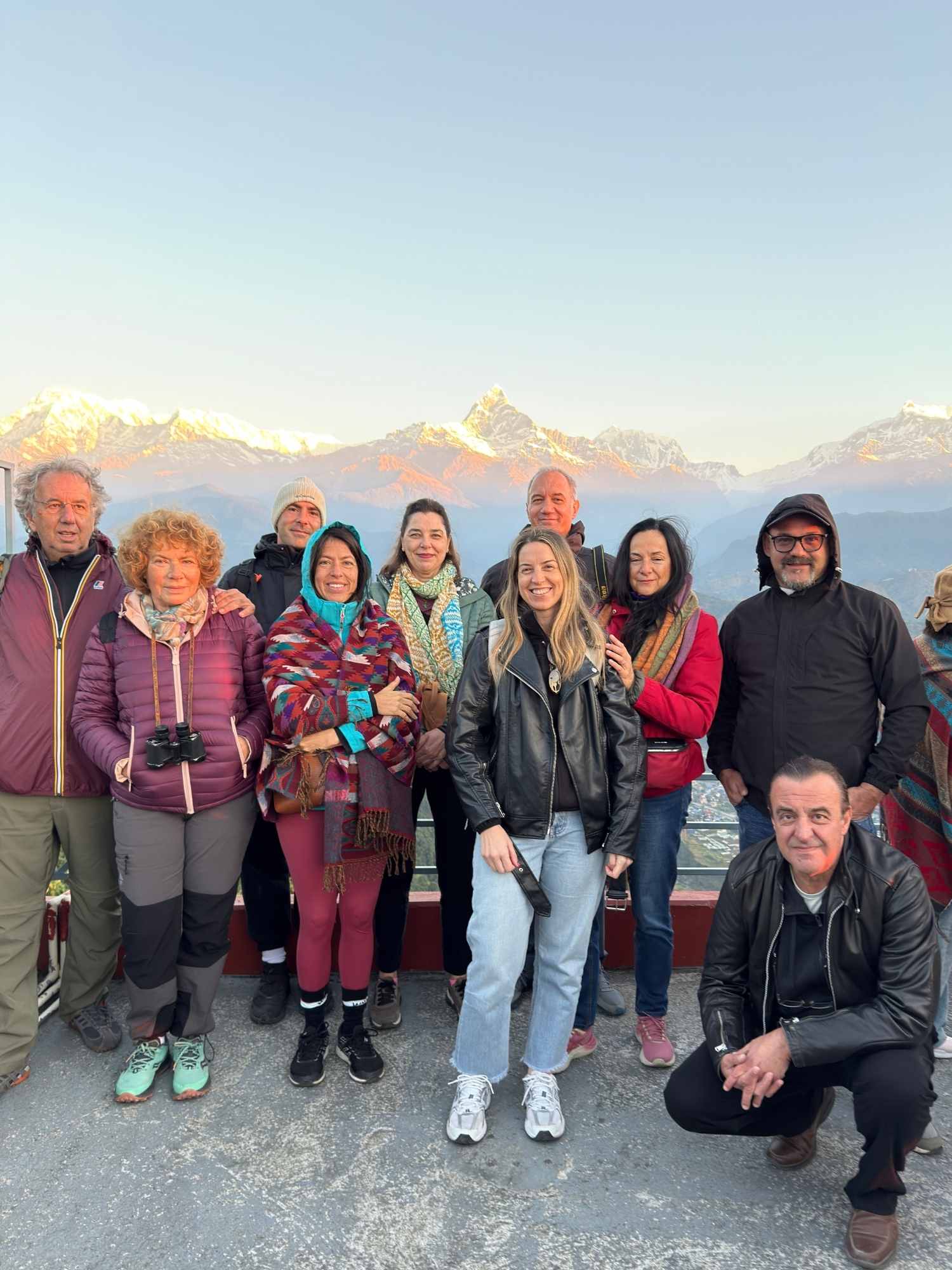
There is a moment on the Annapurna Circuit — usually somewhere between the rhododendron forests of Ghorepani and the stark, wind-carved passes above Manang — when the landscape stops being scenery and becomes something closer to a reckoning. The mountains do not care about your itinerary. The altitude does not ask whether you are comfortable. And yet, paradoxically, it is precisely this indifference that makes the Annapurna region one of the most profoundly luxurious experiences on earth.
Not luxury in the shallow sense of thread counts and champagne — though those details are attended to with remarkable care on a properly curated trek. Luxury in the deeper sense: the luxury of time, of silence, of walking for hours through a landscape so immense it rewrites your internal scale. This is what we mean by experiential wealth — the kind of richness that no hotel suite, however opulent, can manufacture.
Why the Annapurna Circuit Remains Nepal's Greatest Trek
The Annapurna Circuit is often called the world's greatest long-distance trek, and the superlative, for once, is earned. Over roughly two weeks of walking, the trail circumnavigates the Annapurna massif — the tenth-highest mountain on the planet — passing through climatic zones that range from subtropical jungle to high-altitude desert. You will cross the Thorong La pass at 5,416 metres. You will walk through villages where Tibetan Buddhist culture has survived, largely unchanged, for centuries. You will eat dal bhat prepared by families who have fed trekkers for generations.
But here is the critical distinction: you do not have to suffer to experience any of this.
The old model of Annapurna trekking — overloaded backpacks, dormitory teahouses, questionable hygiene — served its purpose for decades. It attracted a certain kind of traveller, the kind who wore discomfort as a badge of honour. There is nothing wrong with that. But there is another way entirely, and it opens the Annapurna to travellers who have spent a lifetime cultivating discernment.
What a Luxury Annapurna Trek Actually Looks Like
Private Guides Who Are Part Scholar, Part Mountain Sage
On a bespoke Annapurna trek, your guide is not merely someone who knows the trail. They are a cultural interpreter, a natural historian, and — when you are gasping at 4,800 metres — a reassuringly calm presence who has crossed Thorong La dozens of times. The best guides hold certifications from the Nepal Mountaineering Association and speak multiple languages, but what truly sets them apart is an intimate, almost ancestral knowledge of the landscape.
At Elysian Himalaya, we select guides who can explain the geological forces that carved the Kali Gandaki gorge — the deepest in the world — with the same ease as they point out a Himalayan monal pheasant in the undergrowth. They know which village serves the best yak cheese. They know which ridgeline catches the first light on Dhaulagiri. This is not information you can find in a guidebook.
Boutique Lodges That Defy Altitude
The accommodation revolution in the Annapurna region has been, quietly, one of the most remarkable developments in Himalayan travel. A new generation of lodges has emerged — stone and timber structures heated by solar and wood-burning systems, with private rooms that feature proper beds, en-suite bathrooms with hot showers, and windows framed to turn each mountain view into a living painting.
In Ghandruk, lodges perched above terraced rice paddies offer rooms with Annapurna South filling the entire window. In Manang, at 3,500 metres, you will find heated dining rooms where the evening meal might include fresh trout from the Marsyangdi River, roasted vegetables from local gardens, and Nepali wine that is genuinely worth drinking.
These are not five-star hotels transplanted to the mountains. They are something more interesting: places that have learned to offer real comfort without betraying the essential character of the landscape.
Gourmet Dining at the Roof of the World
Forget the cliché of freeze-dried meals and instant noodles. On a luxury Annapurna trek, a dedicated cook travels with the party, carrying fresh ingredients sourced from the valleys below. Breakfast might be buckwheat pancakes with local honey and fresh fruit. Lunch, taken on a sun-warmed terrace with panoramic views, could be momos — hand-folded dumplings filled with yak meat or seasonal vegetables — followed by Tibetan butter tea.
Dinner is where the kitchen truly performs. Think seared duck breast with Timur pepper (Nepal's native Sichuan peppercorn), or slow-cooked lamb with foraged herbs, followed by kheer — a cardamom-scented rice pudding that tastes like comfort distilled. Every meal is an event, not because of pretension, but because eating well at altitude is an act of celebration.
Helicopter Transfers That Compress Distance, Not Experience
One of the most transformative innovations in luxury Annapurna trekking is the strategic use of helicopter transfers. Rather than spending days on the less scenic lower portions of the trail, a private helicopter can deliver you directly to the heart of the Annapurna region — landing at Manang or Jomsom and allowing you to focus your walking days on the most spectacular sections.
This is particularly valuable for travellers who want the full Annapurna experience but cannot commit to a three-week itinerary. With our Ultimate Journey, we design routes that combine helicopter access with carefully selected walking segments, ensuring every step counts.
The Route: A Day-by-Day Vision
Days 1–2: Kathmandu and the Gateway
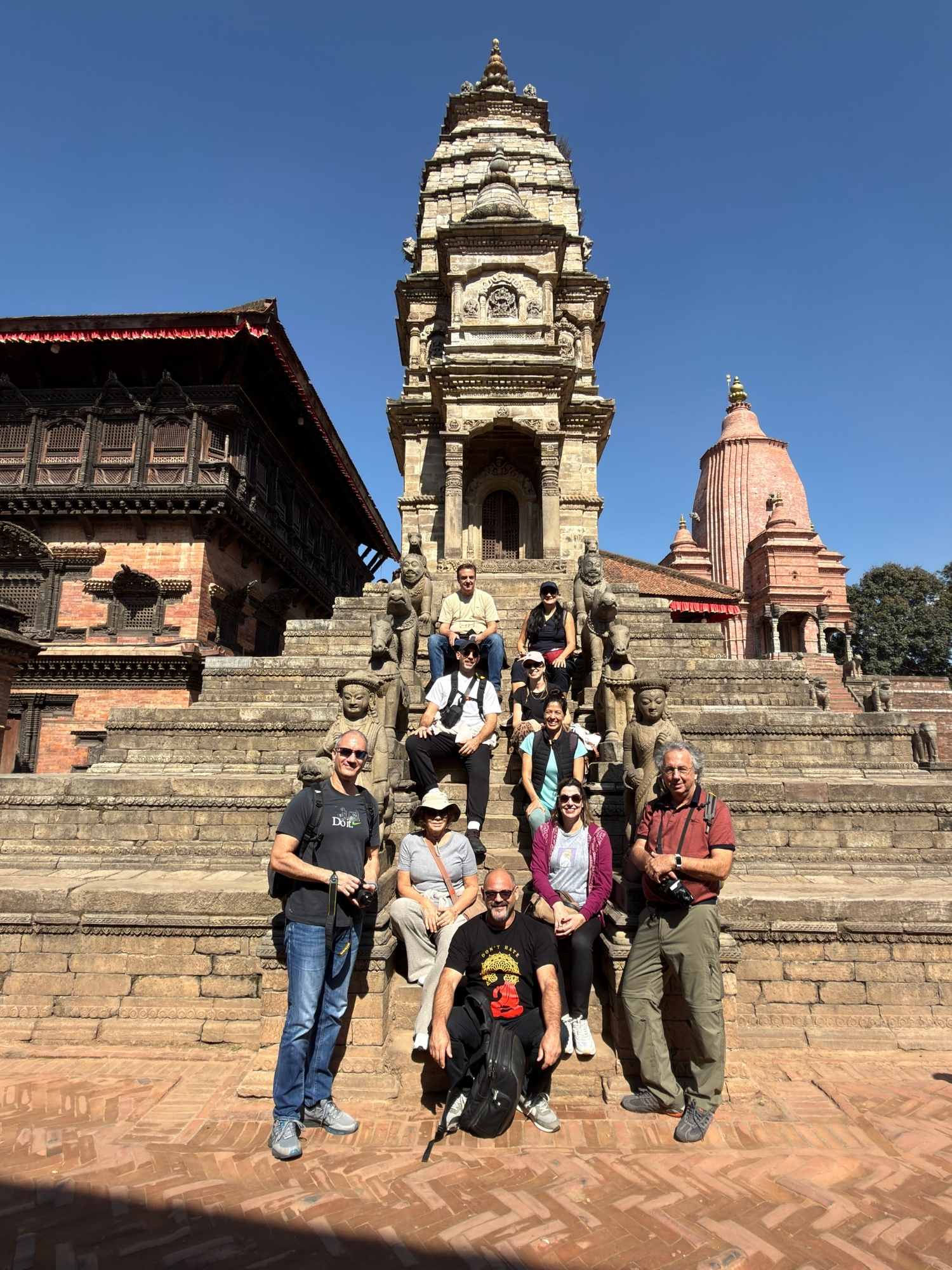
Your journey begins in Kathmandu — not with the chaos of Thamel, but with a private heritage tour of the Durbar Square temples and a night at one of the city's restored Rana-era palaces. There is a particular quality to Kathmandu light in the early morning, before the traffic stirs, that makes the golden pagodas glow as if lit from within.
Days 3–5: The Lower Circuit — Subtropical Forests to Tibetan Villages
A scenic drive or helicopter transfer brings you to the trailhead. The first walking days pass through forests of rhododendron and magnolia — in spring, the blooms are so dense they form tunnels of crimson and white overhead. Villages here are Gurung settlements, their stone houses decorated with marigolds, their inhabitants among the most hospitable people you will ever meet.
Days 6–9: The High Country — Manang Valley and Acclimatisation
The landscape transforms as you gain altitude. The forests give way to alpine meadows, then to the stark, mineral beauty of the Manang Valley. This is where acclimatisation becomes both a necessity and a pleasure — rest days here are spent exploring ancient monasteries, visiting the Ice Lake at 4,600 metres, or simply sitting on a lodge terrace watching clouds form and dissolve around Annapurna III.
Days 10–12: Thorong La and the Descent to Muktinath
The crossing of Thorong La (5,416m) is the emotional and physical summit of the trek. You will set out in darkness, climbing by headlamp through scree and snow, watching the sky lighten from indigo to gold behind the peaks. At the pass itself — marked by prayer flags that snap in the wind — the sense of achievement is total.
The descent to Muktinath, one of the most sacred sites in both Hindu and Buddhist traditions, is a journey from the austere to the mystical. The temple's eternal flame, burning from a natural gas seep behind a waterfall, is one of Nepal's most extraordinary sights.
Days 13–14: The Kali Gandaki and Return
The final days follow the Kali Gandaki river valley — the deepest gorge on earth, with Dhaulagiri (8,167m) on one side and Annapurna I (8,091m) on the other. The scale is almost incomprehensible. A helicopter transfer from Jomsom returns you to Pokhara, where a lakeside suite and a long, hot bath await.
When to Trek: Timing Your Annapurna Luxury Experience
The optimal windows are October to November and March to April. Autumn offers the clearest skies and the most stable weather — the post-monsoon air is washed clean, and the mountain views are razor-sharp. Spring brings the rhododendron bloom and warmer temperatures at altitude, though afternoon clouds are more common.
For a detailed seasonal guide, see our complete guide to the best time to visit Nepal.
The Annapurna Difference: Why This Trek Changes People
I have guided hundreds of travellers through Nepal's mountains over the years, and the Annapurna Circuit produces a particular kind of transformation that I have not seen elsewhere. It is not the altitude, though that strips away pretension remarkably quickly. It is not the physical challenge, though that rebuilds confidence in ways that surprise even the most accomplished individuals.
It is the duration. Two weeks of walking through a landscape that changes every day — from jungle to glacier, from Hindu village to Tibetan monastery — creates a rhythm that modern life has almost entirely eliminated. By the fifth or sixth day, something shifts. The phone stops mattering. The inbox stops calling. The mountain becomes the only relevant thing, and in that simplicity, there is a freedom that most people have not felt since childhood.
This is what our Classic Journey is designed to protect: not just the logistics of a luxury trek, but the psychological space in which transformation becomes possible.
What Sets a Luxury Annapurna Trek Apart from Standard Options
| Feature | Standard Trek | Luxury Trek |
|---|---|---|
| Guide ratio | 1 guide per 8-12 trekkers | 1 private guide + 1 assistant per party |
| Accommodation | Shared dormitories | Private rooms with en-suite facilities |
| Meals | Basic teahouse menu | Private cook with fresh, curated menus |
| Transfers | Public jeep/bus | Private vehicle + helicopter options |
| Pace | Fixed group schedule | Fully flexible, tailored to your rhythm |
| Medical | Basic first-aid kit | Satellite phone, portable oxygen, evacuation insurance |
| Cultural access | Passing through villages | Private meetings with monks, artisans, community leaders |
Planning Your Luxury Annapurna Trek
The Annapurna Circuit requires permits (ACAP and TIMS), proper acclimatisation planning, and — for a luxury experience — advance booking of the best lodges, which have limited capacity. We recommend beginning the planning process at least three months before your intended travel dates.
Every journey we design at Elysian Himalaya is bespoke. There is no fixed itinerary, no group departure, no compromise. We begin with a conversation about what you want to feel — not just what you want to see — and build the experience from there.
The mountains will be waiting. The question is whether you will meet them on their terms, or yours.
Begin designing your Annapurna journey →