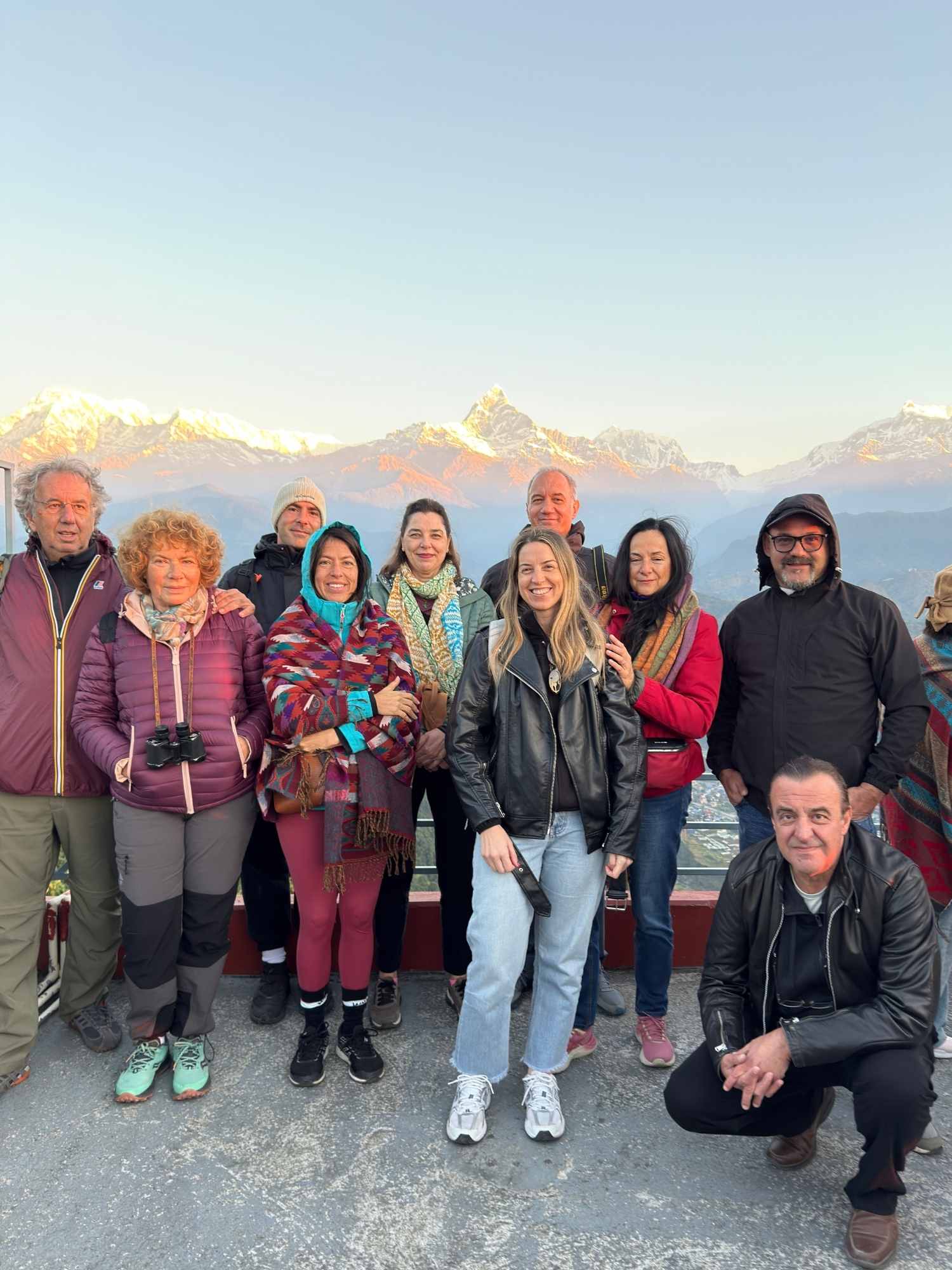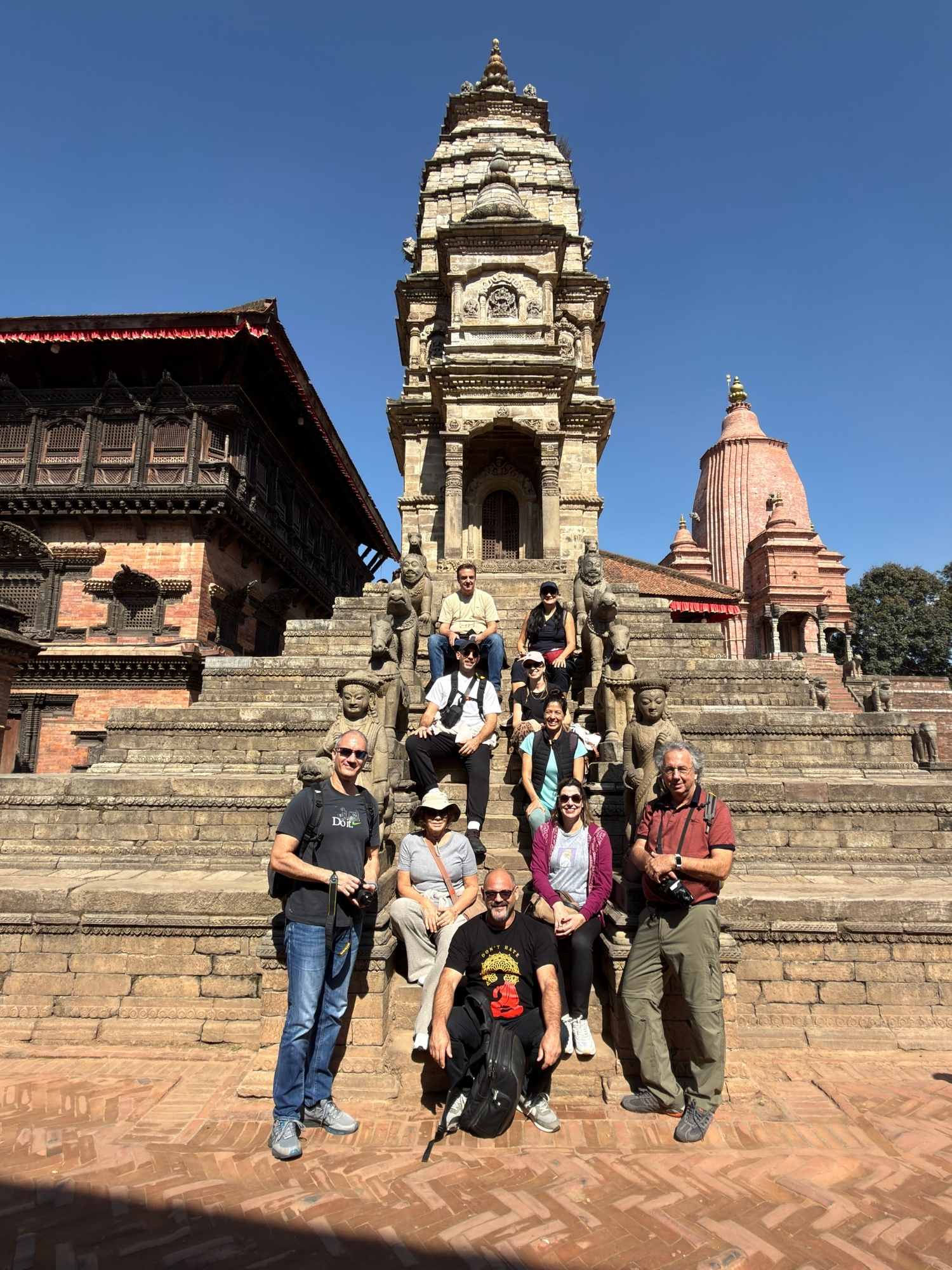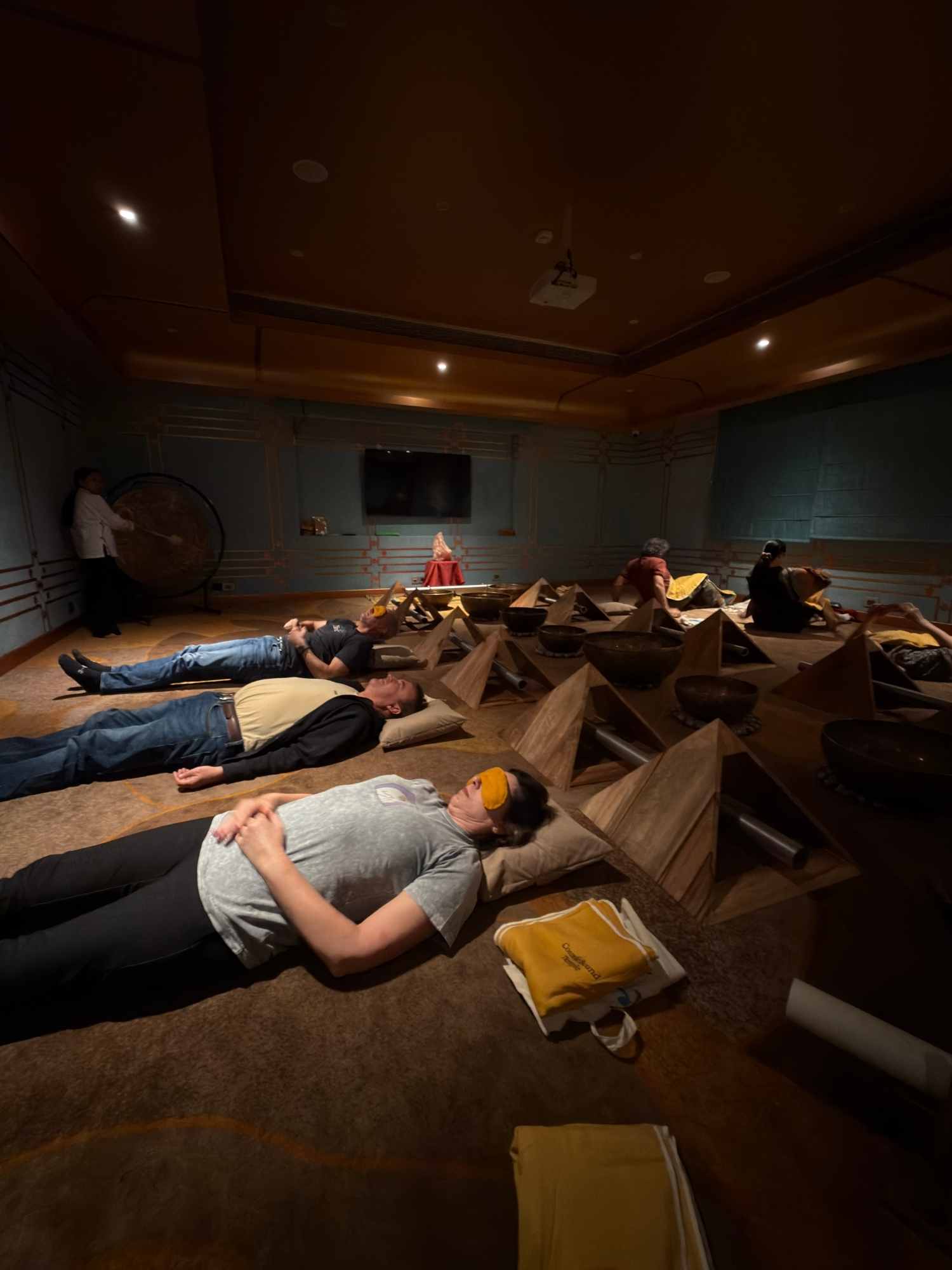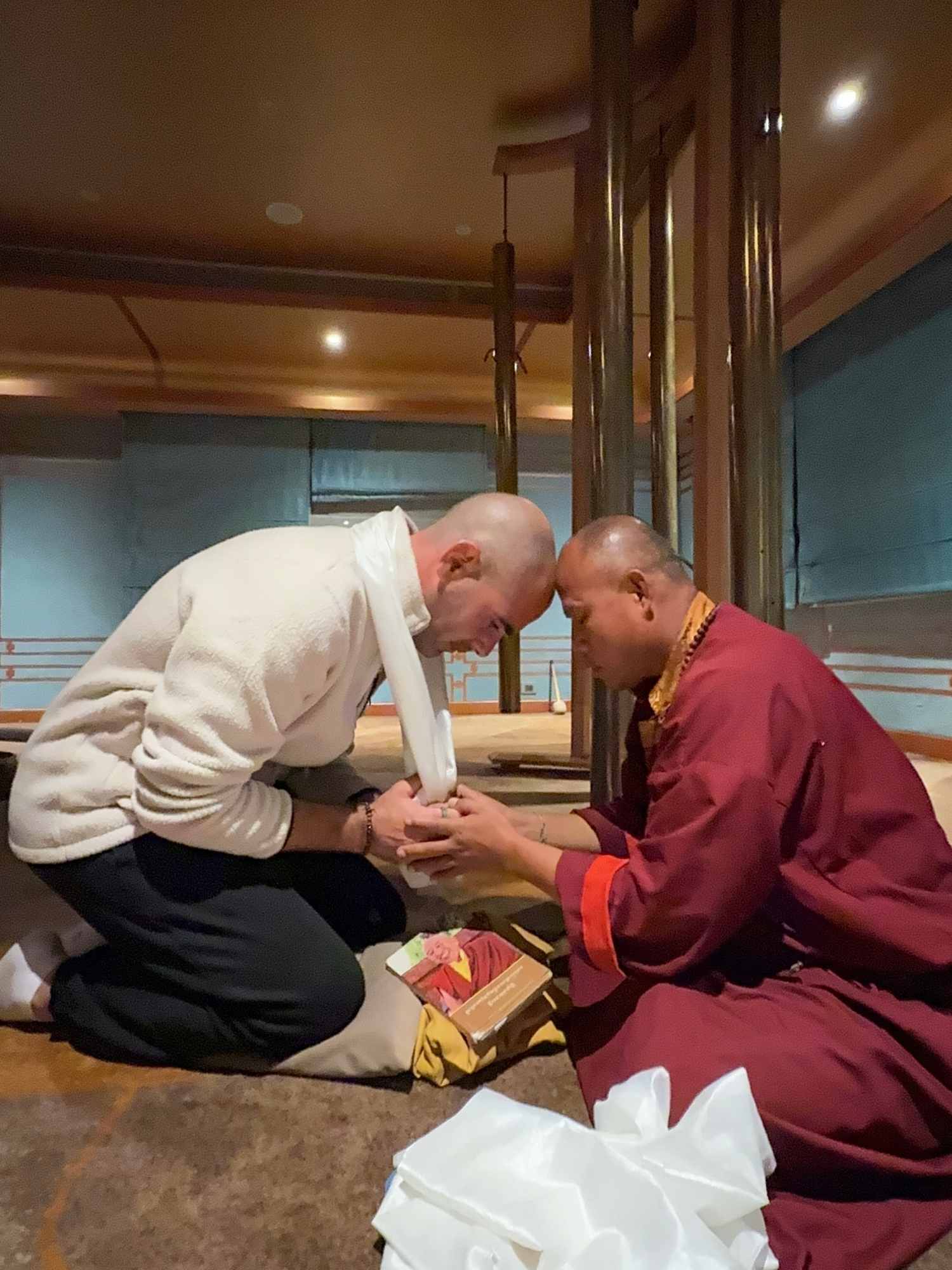
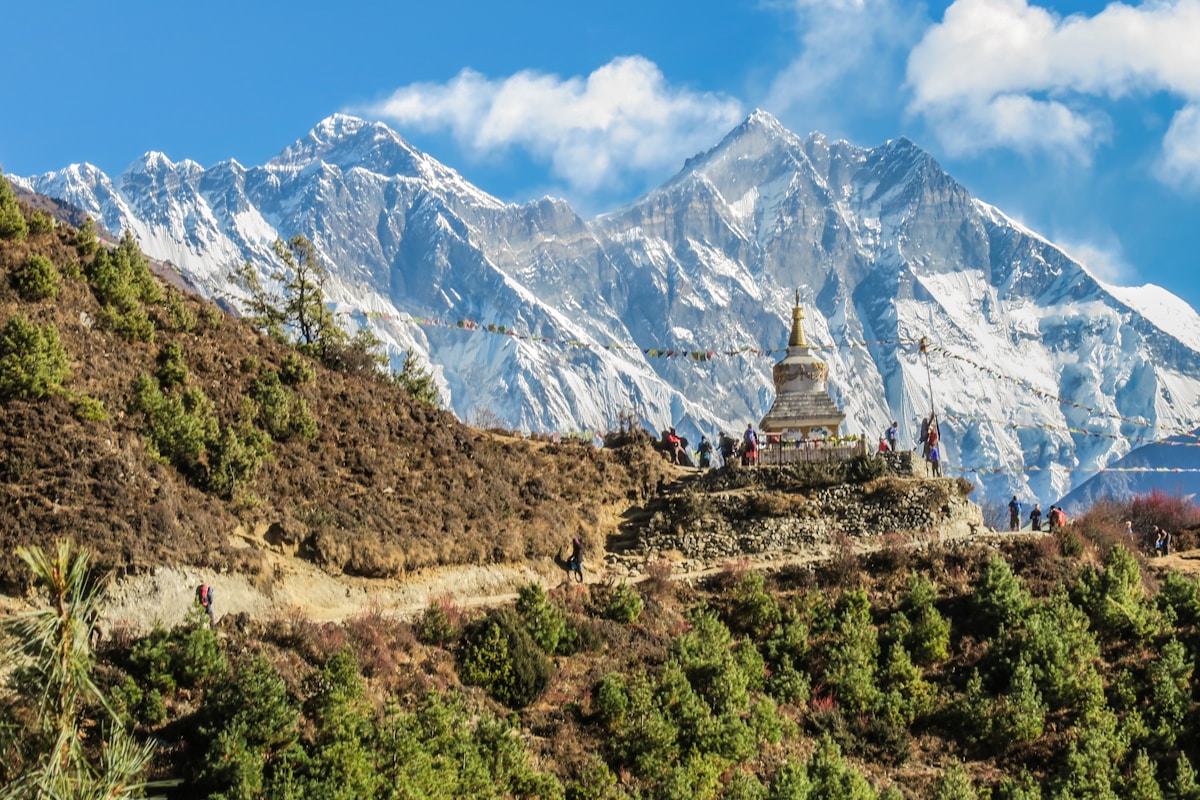
There is a moment, just before dawn on the ridges of Dhulikhel, when the world seems to hold its breath. The air is thin, crisp, and sharp with the scent of wild pine and damp earth. To the north, the jagged wall of the Himalayas—Langtang, Lhotse, and the distant, ghost-like peak of Everest—rests in a palette of indigo and slate. Then, as the first sunbeam strikes the snow, the peaks ignite in an ethereal blush of amber and gold.
For the modern traveler, this sight is breathtaking. But for the traveler seeking what we at Elysian Himalaya define as "experiential wealth," the true value of this moment lies not in its beauty, but in its preservation. It lies in knowing that the valley below is undisturbed, that the community whose lands you traverse is thriving, and that the lodge supporting you operates in perfect harmony with this fragile environment.
Historically, the concepts of "luxury" and "sustainability" were often viewed as mutually exclusive. Luxury was synonymous with excess, consumption, and the insulation of the traveler from their surroundings. Sustainability, by contrast, conjured images of compromise—austere lodgings, cold showers, and a sense of penance.
Today, this dichotomy has dissolved. In the high valleys of Nepal, a quiet revolution is underway. The discerning traveler no longer seeks to escape the destination; they seek to understand it, protect it, and be transformed by it. This is the essence of sustainable luxury travel nepal: a philosophy where eco-conscious elegance meets the grandest landscapes on Earth, proving that the highest standards of comfort can—and must—be the vanguard of conservation.
The Landscape of 2026: Nepal's Vision for Regenerative Tourism
As we navigate 2026, the landscape of global travel has fundamentally shifted. No longer content with merely minimizing harm, the focus has evolved toward regenerative travel—leaving a destination demonstrably better than we found it. This evolution is central to Nepal's ambitious 2026 sustainable tourism strategy, a national framework designed to reposition the country from a high-volume adventure destination to a global leader in high-value, low-impact tourism.
A National Commitment to the Highlands
Under the new policy guidelines, the Nepalese government, in partnership with local communities and conservation organizations, has implemented strict carrying capacities for fragile mountain ecosystems. Tourism concessions in protected areas are now granted exclusively to operators who meet rigorous carbon-neutral standards. This strategy targets the mitigation of waste on popular trails, the electrification of mountain transport, and the direct redirection of tourism revenues to the communities residing on the front lines of climate change.
For our guests, this regulatory shift ensures that their journeys are inherently aligned with conservation. When you travel to our curated destinations, you are not merely a spectator; you are an active contributor to the preservation of the sacred geography of the Himalayas.
The 2026 strategy also marks a shift toward decentralized travel. By encouraging travelers to explore lesser-known valleys, the economic benefits of luxury tourism are distributed more equitably. This approach alleviates pressure on iconic routes while offering guests an unparalleled sense of privacy and exclusivity.
Sanctuaries of the Soil: The Pioneers of Himalayan Eco-Luxury
At the heart of this sustainable transformation are the lodges that have redefined hospitality. These are not merely hotels; they are ecological sanctuaries built upon a deep respect for the land and its people.
Here are three properties that represent the pinnacle of sustainable luxury travel in Nepal, each offering a distinct window into the country's natural and cultural heritage.
1. Tiger Mountain Pokhara Lodge: The Benchmark of Conscious Hospitality
Perched on a ridge high above the Pokhara Valley, with the magnificent sweep of the Annapurna range acting as a constant backdrop, Tiger Mountain Pokhara Lodge has long been a beacon of responsible tourism. Under the stewardship of Marcus Cotton, a pioneer in Himalayan conservation, the lodge operates on a simple premise: tourism must serve the local community and environment first.
The lodge's individual cottages are constructed from hand-cut local stone, designed to mirror the vernacular architecture of the surrounding Gurung villages. Inside, the aesthetic is one of understated rustic elegance—rich Tibetan rugs, open brick fireplaces, and expansive windows that frame the sacred peak of Machhapuchhre.
Yet, Tiger Mountain's true luxury lies in its invisible operations:
- Biodiversity Monitoring: The lodge staff, trained in ornithology and botany, conduct daily wildlife monitoring, contributing crucial data to national conservation databases.
- Community Partnership: A significant portion of the lodge's operational budget is invested in local schools, water-piping projects, and community-managed forests.
- Zero-Plastic Policy: Long before it became an industry standard, Tiger Mountain eliminated single-use plastics, utilizing solar-heated water and micro-filtered local springs.
To stay here is to experience a profound connection to the Pokhara hills, guided by staff who are not merely employees, but custodians of their own ancestral lands.
2. Dwarika's Resort — Dhulikhel: A Sanctuary of Vedic Wellness
If Tiger Mountain is a tribute to the wilderness, Dwarika's Resort in Dhulikhel is a temple to human heritage and holistic well-being. Set amid thirty-six acres of pristine forest, the resort is designed around the ancient Vedic scriptures and Buddhist philosophies of living in harmony with nature.
Dwarika's is famous for its preservation of Newari woodcarving, a craft that was nearly lost to modernization. The resort itself is a living museum, built using salvaged architectural elements and constructed by local artisans. Every door frame, terracotta tile, and carved pillar tells a story of cultural resilience.
The resort's approach to sustainability is deeply integrated into its wellness concept:
- Organic Agrarianism: Dwarika's operates its own organic farms, ensuring that the ingredients on your plate—from Himalayan buckwheat to heirloom tomatoes—are harvested hours before they are served.
- Vedic Lifestyle Practices: The wellness programs focus on restoring the balance between the five elements (earth, water, fire, air, and ether) through customized yoga, meditation, and Ayurvedic treatments.
- Water Harvesting and Waste Management: The resort utilizes graywater recycling systems and solar thermal energy to heat its pools and suites, ensuring that the search for inner peace does not come at the cost of external degradation.
At Dwarika's, luxury is felt in the texture of hand-woven organic cotton, tasted in the purity of cold-pressed mountain honey, and experienced in the silent vistas that stretch across the Tibetan border.
3. Centara Himalayan Hideaway: The New Frontier of Sustainable Wellness (Opening 2026)
Representing the latest evolution of high-end hospitality in the region, the Centara Himalayan Hideaway, opening in late 2026, sets a new benchmark for sustainable architectural integration. Nestled in a secluded valley, the property has been constructed under strict "Light Touch" guidelines, ensuring that not a single mature tree was felled during its creation.
The resort features state-of-the-art geothermal heating systems, zero-carbon waste management, and a design that blends contemporary wellness philosophies with traditional Himalayan building techniques. By sourcing 90% of its materials within a fifty-mile radius, the Centara Himalayan Hideaway has created an economic engine for the local valley while offering guests an uncompromising standard of modern luxury.
Conscious Trails: Elevating the Trekking Experience
Trekking through the Himalayas is a spiritual pilgrimage. To walk these ancient paths is to witness the raw power of the Earth. However, the popularity of these trails has historically placed an immense burden on the environment and the local communities.
At Elysian Himalaya, we believe that high-end trekking must be a force for good. Through our bespoke itineraries, including the Elysian Premium Journey and the peerless Elysian Ultimate Journey, we have redesigned the classic trek to ensure it meets the highest standards of environmental and social sustainability.
| Trekking Component | Conventional Tourism | Conscious Luxury Trekking (Elysian) |
|---|---|---|
| Energy Source | Wood-burning stoves, diesel generators | Solar-powered lodges, micro-hydro electricity |
| Porter Welfare | Underpaid, overloaded, lack of proper gear | Fair-wage guarantee, weight limits, full medical insurance |
| Supply Chain | Imported processed goods, high plastic waste | Locally sourced organic food, zero-single-use plastics |
| Transportation | High-emission group transfers | Carbon-offset private heli-safaris and electric vehicles |
Solar-Powered Mountain Sanctuaries
The days of sacrificing comfort on the trail are long gone. The modern conscious trekker stays in boutique mountain lodges, such as the Yeti Mountain Homes in the Khumbu region or the Ker & Downey lodges in the Annapurnas. These sanctuaries run on solar arrays and micro-hydroelectric power, providing hot running water, heated electric blankets, and gourmet meals in the heart of the wilderness—all with a minimal carbon footprint.
Social Sustainability: The Human Element of the Trail
True sustainability is not merely ecological; it is deeply social. The most critical component of any trek is the team that supports it.
Elysian Himalaya operates on a strict code of ethical porter and guide employment. We ensure that our guides and porters receive fair wages that exceed industry standards, comprehensive health insurance, professional gear, and continuous training in safety and environmental stewardship. It is this human connection that our founder emphasizes as the cornerstone of our company's ethos.
When you trek with us, the individuals carrying your gear are respected partners in your journey. This mutual respect creates a warmer, more authentic connection, transforming a physical challenge into a shared human triumph.
Guardians of the Wild: Conservation-First Wildlife Safaris
South of the snow-capped peaks lies the Terai—a vast, subtropical plain of tall grasslands and dense sal forests. Here, in national parks like Chitwan and Bardia, some of Asia's most iconic wildlife resides: the Royal Bengal Tiger, the Greater One-horned Rhinoceros, and the elusive wild elephant.
For the luxury traveler, the Terai offers an opportunity to engage with conservation on a profound level. Rather than participating in mass-market jeep safaris that disturb the wildlife, Elysian Himalaya coordinates exclusive, low-impact conservation experiences through our Elysian Classic Journey.
The Bardia Tiger Conservation Project
Bardia National Park, located in Nepal's remote far west, remains one of the wildest and most undisturbed conservation areas in Asia. Here, we partner with local conservationists to offer private tracking excursions led by expert naturalists.
Our guests can participate in:
- Camera-Trap Setups: Accompany naturalists as they position motion-sensor cameras used to track tiger movements and population densities.
- Anti-Poaching Unit Briefings: Learn directly from the community-run anti-poaching units who patrol the park borders, funded in part by our travelers' conservation fees.
- River Safaris: Drift silently down the Karnali River in hand-carved wooden canoes, observing gharials, migratory birds, and perhaps a tiger drinking at the water's edge, without the noise and emissions of motorized boats.
By choosing a low-impact safari, your presence provides a direct economic alternative to poaching and deforestation, ensuring that local communities view the preservation of these magnificent predators as their greatest asset.
The Art of Slow Travel: Uncovering Heritage in Nuwakot
In a world obsessed with speed, the ultimate luxury is time. Slow travel—the practice of settling into a single destination, absorbing its rhythms, and engaging deeply with its culture—is the natural counterpart to sustainability.
One of Nepal's most compelling slow travel destinations is the historic district of Nuwakot. Located just a few hours north of Kathmandu, Nuwakot was once a vital outpost on the trade route between Tibet and India. Today, it stands as a preserved relic of Newari history, far removed from the modern tourist trail.
In Nuwakot, travelers can stay at properties like The Famous Farm, a restored traditional Newari homestead. Here, the focus is on preserving local agricultural techniques and architectural styles:
- Heritage Restoration: The farm was restored using traditional mud-mortar and brick techniques, preserving the beautiful carved wooden windows that characterize Newari craftsmanship.
- Community Immersion: Guests can walk through the surrounding terraced fields, learn to cook traditional meals with local families, and explore the ancient seven-story Nuwakot Durbar.
- Micro-Economy Support: The farm employs local villagers and sources all produce from neighboring farms, providing a sustainable source of income in an area where youth migration is a significant challenge.
Nuwakot offers a glimpse into a Nepal that has remained unchanged for centuries—a place where luxury is measured in the warmth of a local welcome and the slow passage of the sun across the middle hills.
The Synthesis: Why Luxury and Sustainability Are Complements
The true definition of luxury has returned to its roots. It is no longer about marble lobbies and imported caviar; it is about authenticity, privacy, and pristine natural environments.
True luxury requires space—both physical and mental. It requires clean air to breathe, silence to think, and the knowledge that one's presence does not diminish the beauty of the world. In this sense, sustainability is not a constraint on luxury; it is its prerequisite.
When we design an Elysian Classic Journey, we do not ask ourselves how we can insulate you from the realities of Nepal. We ask how we can connect you to them in a way that is respectful, enriching, and profoundly comfortable.
By utilizing solar-powered transportation, staying in locally owned heritage lodges, and supporting conservation initiatives, we create an environment where you can truly let go. You can immerse yourself in the spiritual heritage of the mountains, secure in the knowledge that your journey is contributing to the preservation of this extraordinary corner of the world.
Your Journey Awaits: Crafting a Regenerative Legacy
To travel through Nepal with Elysian Himalaya is to embark on a journey of dual transformation. As the majesty of the Himalayas reshapes your inner landscape, your conscious choices help protect the physical landscape for generations to come.
This is the promise of sustainable luxury travel nepal: a legacy of conservation, respect, and unparalleled elegance.
Are you ready to experience the Himalayas in their truest, most pristine form? Let us design an extraordinary, bespoke journey tailored to your values. Design Your Journey with Elysian Himalaya