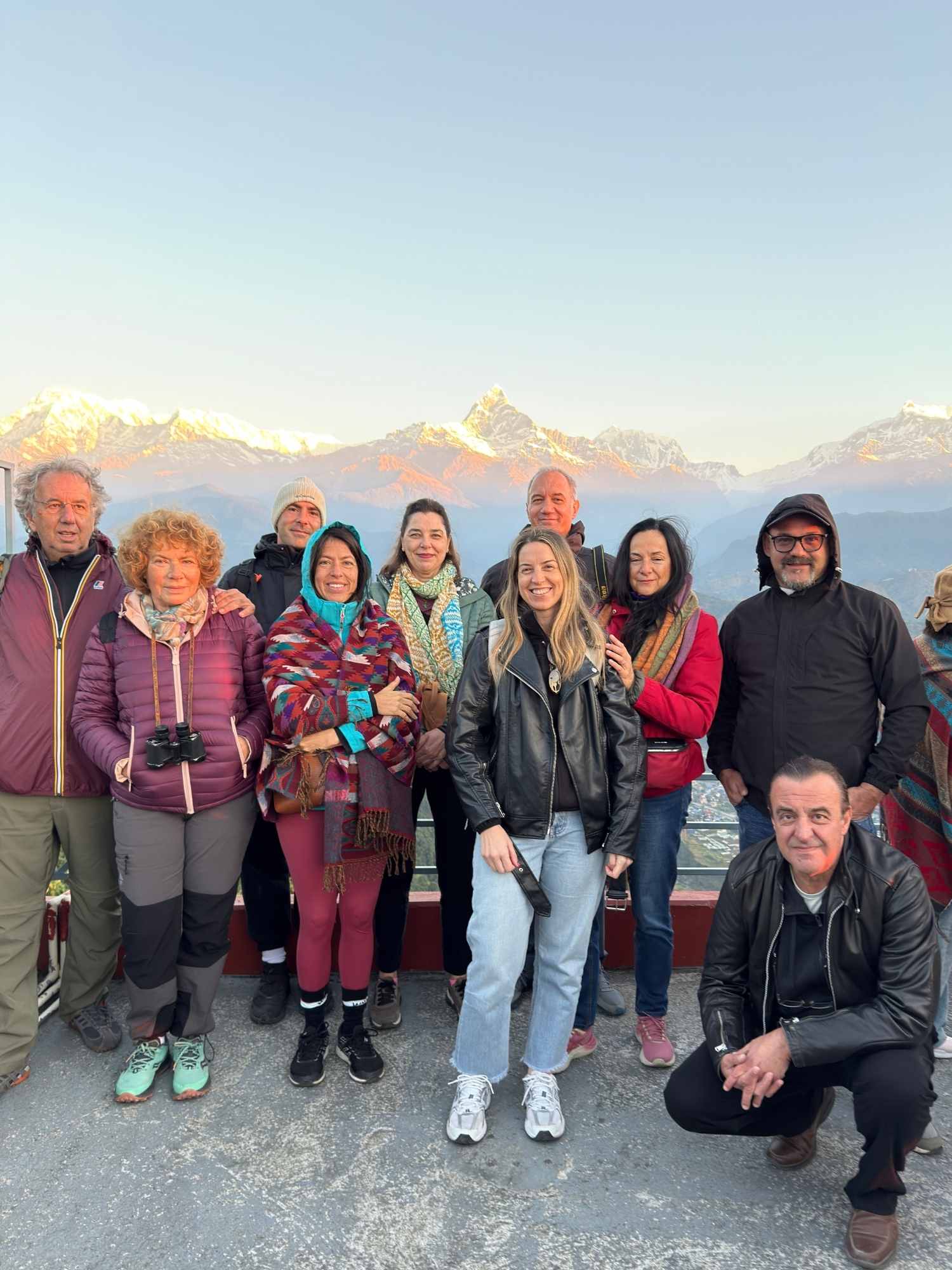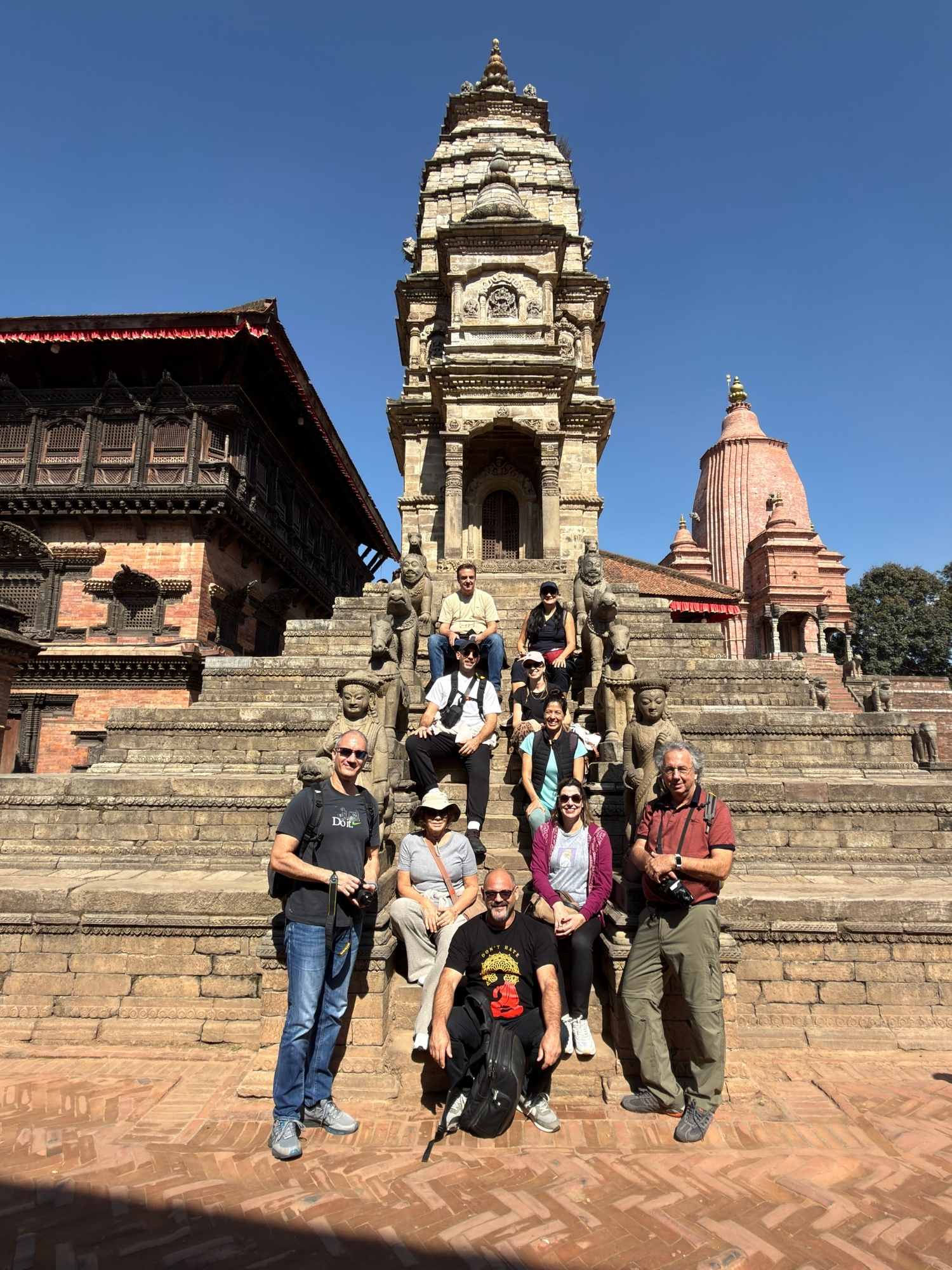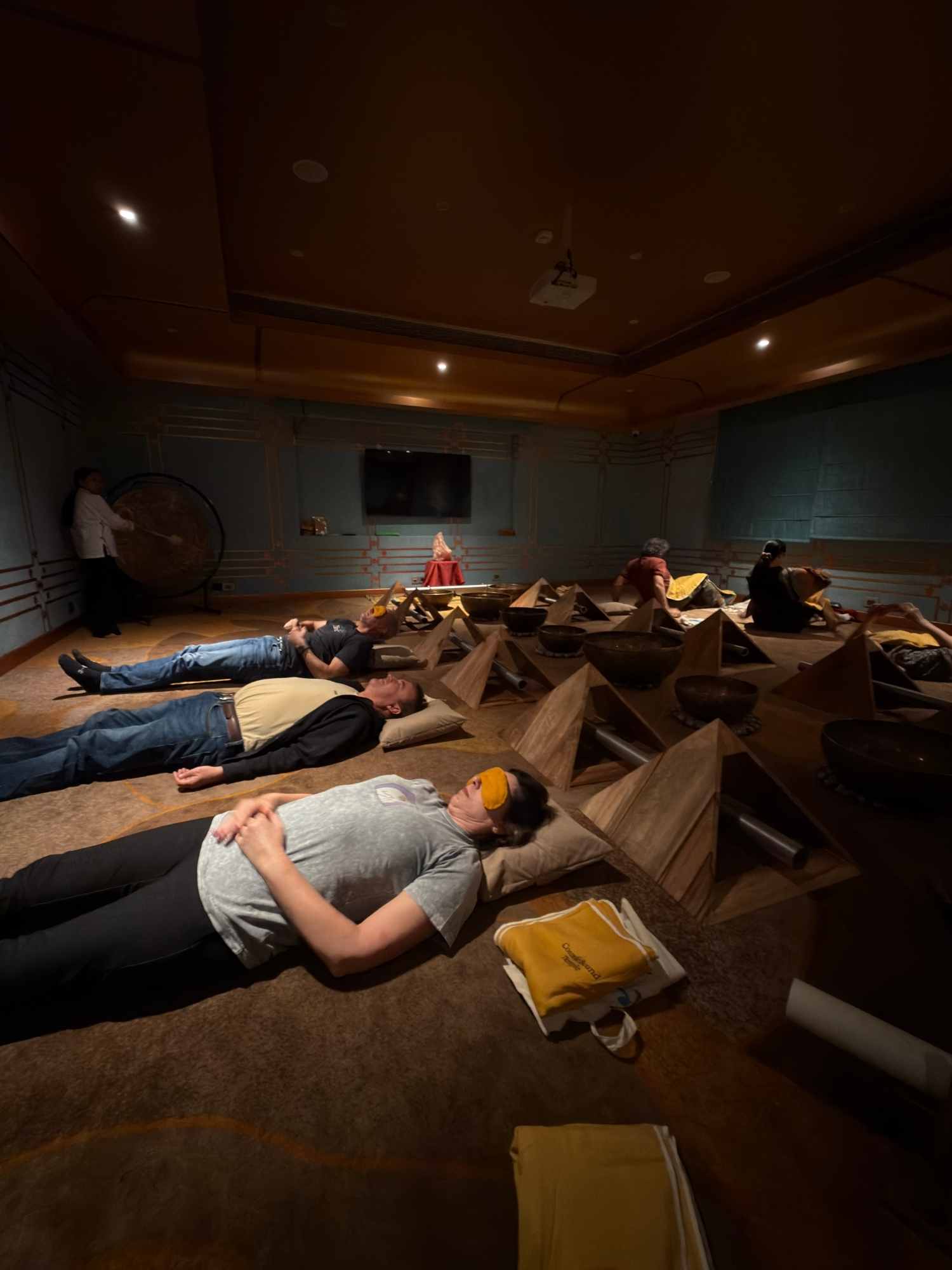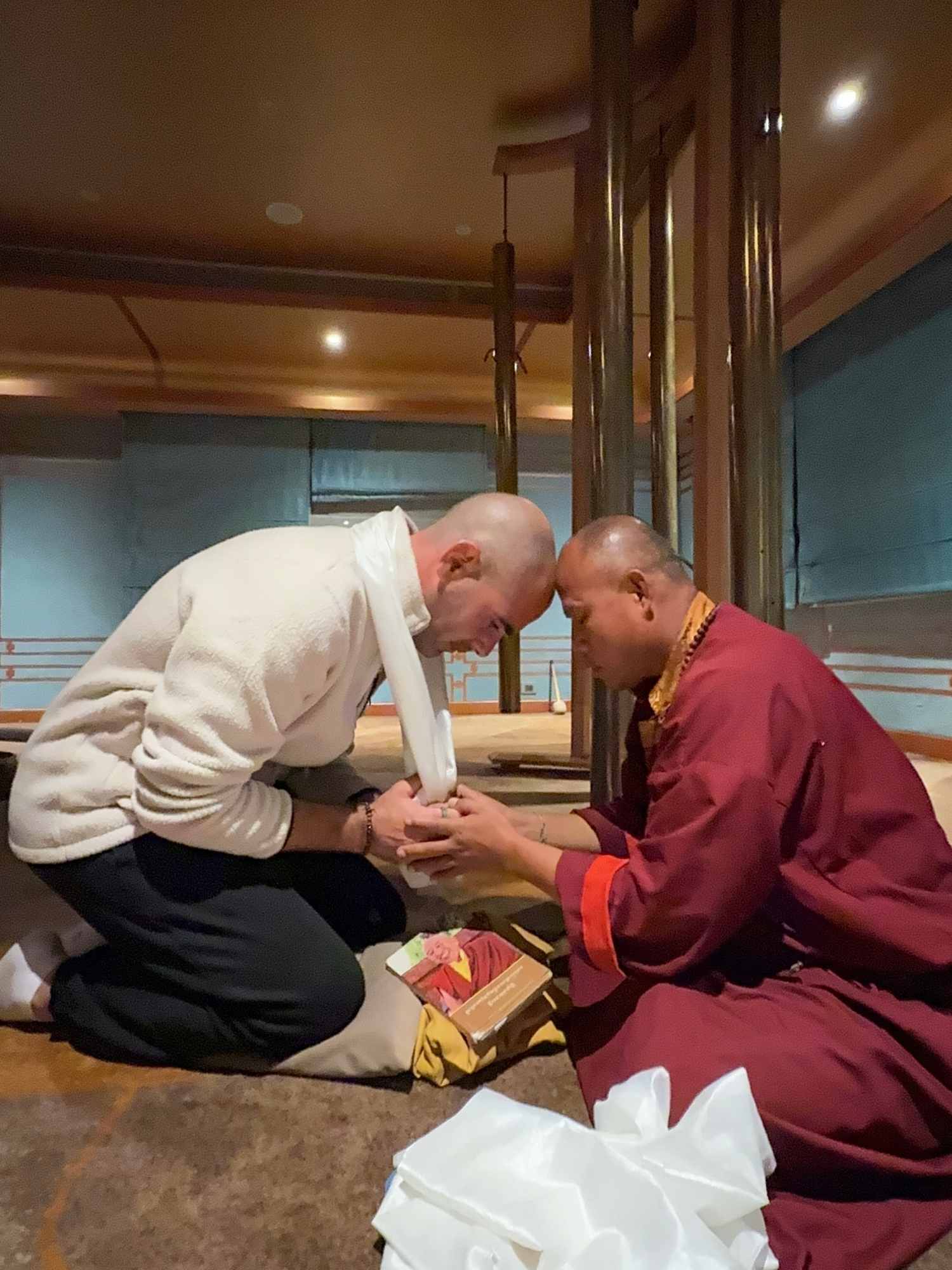
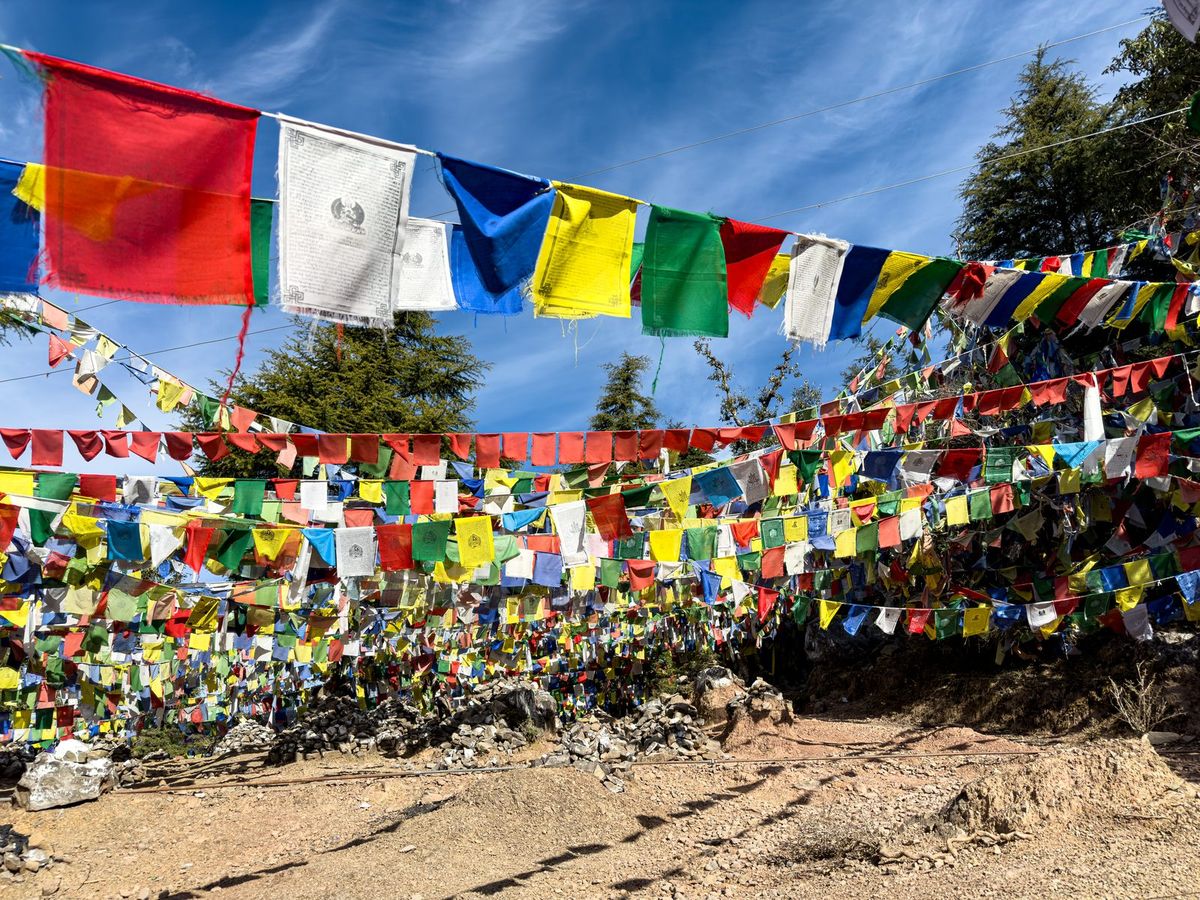
There are places in the Himalayas that exist on maps but barely in the modern world. Tsum Valley is one of them — a hidden kingdom tucked into the northern folds of the Manaslu region, sealed off from outside trekkers until 2008, still requiring special government permits, still home to a Tibetan Buddhist civilisation that has remained almost untouched since the time of Milarepa nine centuries ago.
To call Tsum Valley a trek would be a profound misunderstanding. It is, instead, a pilgrimage in the original sense of the word — a passage into a place where ancient mountain dharma still organises everyday life, where polyandry survived until recent memory, where monks chant in caves their teachers' teachers prayed in, and where the rules of distance and time begin to dissolve at altitude.
For the discerning traveller who has already done Everest Base Camp, Annapurna, Bhutan, and Tibet, Tsum Valley remains the great undiscovered frontier — and possibly the most spiritually concentrated landscape left in the Himalayas. The luxury approach to this restricted region is a relatively new art, but for those who undertake it correctly, it offers something almost impossible to find elsewhere in modern travel: genuine seclusion, undisturbed sacredness, and the quiet privilege of being witness to a way of life that has not yet been edited for the tourist gaze.
This is the definitive guide to experiencing Tsum Valley not as a trekker, but as a guest of the Himalayas — with the comfort, exclusivity, and curated depth that the place demands.
What is Tsum Valley, and Why Has It Remained Hidden?
Tsum Valley — known locally as Tsum Tso Chuksum, the "Thirteen Provinces of Tsum" — sits at an altitude between 2,000 and 5,100 metres in the Gorkha district of northern Nepal, sharing its border with Tibet. The valley is enclosed on three sides by mountains: the Sringi Himal, the Ganesh Himal, and the Baudha Himal. Until 2008, foreigners were forbidden to enter.
That restriction shaped its character. While Nepal's other valleys absorbed waves of trekkers from the 1970s onward, Tsum remained sealed — economically and culturally — to its own internal rhythm. Its people, the Tsumbas, are ethnically Tibetan; they speak Tsum-kye, a dialect closer to the languages of Kham than to Nepali; they practise Drukpa Kagyu and Nyingma Buddhism in monasteries that pre-date most of what remains in Lhasa; and until very recently, polyandry — the marriage of one woman to multiple brothers — was the norm, a practical adaptation to the scarcity of agricultural land at altitude.
The reason this matters for the luxury traveller is simple: most "remote" Himalayan destinations have been remote for a few decades. Tsum has been remote for centuries. The texture of its sacredness is different — thicker, older, less curated.
The Sacred Geography: Milarepa, the Caves, and the Living Dharma
The defining figure of Tsum Valley is Jetsun Milarepa, the eleventh-century Tibetan yogi-saint whose songs of realisation are still recited by Buddhist practitioners across the Himalayan world. Milarepa is said to have meditated in the caves above Tsum, and the valley has been considered a beyul — one of the "hidden lands" prophesied by Guru Padmasambhava as places of refuge in times of catastrophe — for over a thousand years.
That sacredness is not abstract here. It governs everything. Hunting is forbidden across the entire valley by ancient covenant. Animals are not killed, even in famine years. The Tsumbas observe a strict non-violence that extends to the smallest creature. Walk past the rivers in summer and you will see fish the size of forearms — they have never been fished. Walk through the forests and you will see wild blue sheep grazing within metres of human paths — they have never been hunted. The valley is, in a real and rare sense, a sanctuary.
Among the sites a luxury journey will include:
- Mu Gompa (3,700 m) — the largest monastery in the valley, perched at the head of a long alpine basin with views toward Tibet. Its prayer halls house centuries-old thangkas and a community of nuns and monks who maintain ancient ceremonial calendars.
- Rachen Gompa (3,240 m) — a nunnery dating to the early twentieth century, home to roughly a hundred Tibetan Buddhist nuns whose chanting at dawn is one of the most affecting experiences in Himalayan travel.
- Milarepa's Cave at Piren Phu — accessible by a short detour, a still-active site of meditation set against the cliffs.
- Dephyudonma Gompa — one of the oldest in the valley, predating much of the recorded history of the region.
These are not museum sites. They are working monasteries with active monastic communities. The privilege of a luxury journey is not access — it is the time and discretion to be present in them properly, with curated introductions arranged in advance through trusted local liaisons.
The Luxury Approach: How This Trek Is Reimagined
A standard Tsum Valley trek is rugged. The lodges are basic teahouses, the trails are long, the altitude is uncompromising. To bring this experience into the luxury register requires a complete reinvention of the logistics — and this is where the bespoke approach proves its value.
A properly designed Tsum Valley luxury journey involves:
1. Private start by helicopter or charter vehicle. The conventional approach requires a long, jarring jeep ride to Soti Khola, the trailhead. For a luxury traveller, we charter a private helicopter from Kathmandu directly to a higher point on the route, eliminating two of the hardest days and protecting the body for the altitude work ahead. 2. Dedicated mountain chef and curated kitchen. A private chef accompanies the journey, preparing meals at a far higher standard than any teahouse can offer — fresh produce flown in regularly, dietary preferences honoured, paired with carefully selected wines for the appropriate altitudes. 3. Curated camping at premier sites. Where lodges fall short of the standard, mobile luxury camping is established — heated geodesic tents, proper beds with high-thread linen, dining pavilions, and full bathroom facilities. The setup is broken down and moved ahead by a dedicated logistics team, so the traveller never sees the labour. 4. Two-to-one guiding ratio. A senior English-speaking culture guide, a local Tsumba liaison who can open doors that are closed to outsiders, and a mountain safety lead — all dedicated to a single party of one to four guests. 5. Daily medical monitoring. A qualified high-altitude doctor either travels with the party or is positioned at strategic points along the route, with oxygen, hyperbaric capacity, and immediate helicopter evacuation arranged in advance. 6. Ritual access. This is the part that money alone cannot buy. Through years of relationships with the abbots and monastic communities of Mu Gompa, Rachen Gompa, and Dephyudonma Gompa, private audiences, blessing ceremonies, and quiet meditation sessions can be arranged for our guests — moments that are not part of any commercial itinerary.This is the difference between trekking Tsum Valley and being received by it. Our Ultimate Journey is designed precisely for this distinction. For those new to bespoke Himalayan travel, our Classic Journey and Premium Journey tiers offer carefully calibrated alternatives.
A Suggested Itinerary: Fifteen Days into the Hidden Kingdom
For our discerning travellers, we generally recommend a fifteen-day itinerary that allows for proper acclimatisation, deep cultural exploration, and the unhurried pace that the valley demands.
Days 1–2: Kathmandu. Arrival, private cultural immersion in the medieval cities of the Kathmandu Valley, blessing ceremony at a senior monastery, final briefing. Day 3: Private helicopter charter to Machha Khola, beginning the trek at lower altitude. Days 4–6: Gradual ascent through the lower Manaslu valleys to Lokpa, where we turn off the main Manaslu Circuit and enter the restricted Tsum region. The first sight of the valley opening before you, after the long approach, is a moment that genuinely arrests the breath. Days 7–9: Exploration of lower Tsum — visits to Gumba Lungdang, the rural villages of Chumling and Chhokangparo, and the first encounters with the Tsumba community. Days 10–11: Time at Mu Gompa, including an arranged private audience with the resident lama, dawn ceremonies at Rachen Gompa, and meditation at Milarepa's Cave. Day 12: Optional ascent to higher altitude viewpoints toward the Tibetan border, with the sweep of the Ganesh Himal range visible to the south. Days 13–14: Return descent, with overnight stays in our finest mobile camps. Day 15: Private helicopter back to Kathmandu, with a celebratory dinner at one of the city's leading restaurants and a final overnight in suite accommodation before departure.For our guests who wish to extend the experience, we typically pair Tsum Valley with three to four days in Pokhara, or with a curated journey through some of Nepal's other destinations and a final evening of culinary celebration in Kathmandu.
When to Travel: The Sacred Calendar
Tsum Valley operates on two seasons of access:
Spring (mid-March to late May) — the rhododendron forests of the lower valley bloom in cascades of pink and crimson, the higher passes are open, and the major Buddhist festivals begin. The weather is stable, the views to the Himalayan giants are clear, and the spring light on the valley walls is particularly photogenic. Autumn (late September to mid-November) — the air after the monsoon is the cleanest it gets in the Himalayas. Visibility is at its absolute peak, the harvest is celebrated in the villages, and the major monastic ceremonies of the autumn calendar take place. For most discerning travellers, this is the optimal window.Monsoon (June to early September) brings landslides on the access routes and is not recommended. Winter (December to February) closes the higher monasteries and most lodges.
A particular insight: if your interest is the religious life of the valley, time your journey to coincide with the Saka Dawa festival in late spring or the Lhosar new year celebrations — moments when the entire ceremonial life of the community becomes visible to those who have arranged the right access.
The Honest Cost of Doing This Properly
A properly designed Tsum Valley luxury journey is not inexpensive. Restricted area permits alone require special government fees; the helicopter logistics are significant; the mobile camping infrastructure is labour-intensive; and the cultural access that defines the experience comes from relationships built over years, not paid for in transactions.
For our typical bespoke parties of two to four guests, the all-inclusive investment ranges from approximately €12,000 to €22,000 per person for the fifteen-day journey, depending on the level of customisation, accommodation choices in Kathmandu, and helicopter usage. For our Ultimate Journey configuration, with extended helicopter access and private monastic audiences, the figure can rise to €30,000 and beyond.
This is the honest range. We do not believe in hidden costs, and we explain in advance precisely where the budget goes — because the discerning traveller deserves transparency at this level. For broader context, see our detailed cost breakdown.
Why Tsum Valley Belongs on the Map of the Truly Discerning
There is no shortage of luxury travel options in this world. The seven-star hotels of the Maldives, the private islands of French Polynesia, the chartered yachts of the Mediterranean — these are well-documented experiences, available to anyone with the means to pay for them.
Tsum Valley is different. It cannot be bought in the usual sense. The permits, the access, the cultural depth, the timing, the safety logistics — these require not just money but a relationship with the place that takes years to build. For travellers who have begun to feel that the conventional luxury circuit has become predictable, Tsum Valley offers something rarer: an experience that genuinely cannot be reproduced.
It is also, in a way that increasingly few places remain, sacred. To walk these paths is to enter a landscape that is held in active reverence by the people who live in it. The animals are unhunted. The monasteries are alive. The dharma is current. The valley listens, in some sense, to those who enter it well.
For the traveller who has begun to ask the deeper question of what luxury is really for, Tsum Valley offers an answer.
Designing Your Tsum Valley Journey
Every Elysian Himalaya journey is designed personally by our founder, with no template, no fixed itinerary, and no compromise on the standards that the Himalayas demand. We do not offer Tsum Valley as a product on a shelf. We offer it as a curated invitation, available only to those who have spoken with us first about who they are and what they are looking for.
If you have arrived at this article, it is likely because the question of Tsum Valley has begun to live in you. The next conversation is the one in which we listen — to your timing, to your altitudes of comfort, to the texture of experience you are seeking — and design accordingly.
Begin designing your Tsum Valley journey →