A Kingdom That Kept the World Out
For six centuries, the Kingdom of Lo existed in magnificent isolation. Tucked behind the Annapurna and Dhaulagiri massifs, shielded by a rain shadow that turns the landscape into something closer to Tibet than tropical Asia, Upper Mustang was a place the modern world simply could not reach. Even after Nepal opened its borders to tourism in the 1950s, Mustang remained sealed — a restricted zone, a rumor whispered among the most adventurous travelers on earth.
When the gates finally opened in 1992, they opened only a crack. Permits were limited. Fees were steep. Infrastructure was nonexistent. And that, paradoxically, is precisely what makes Upper Mustang the most compelling luxury destination in the Himalayas today.
Because luxury, in its truest form, is not about what money builds. It is about what money cannot replicate. And Upper Mustang offers something no resort, no private island, no first-class cabin ever will: a civilization preserved in amber, waiting to be encountered on its own terms.
Why Upper Mustang Stands Apart
The Geography of Isolation
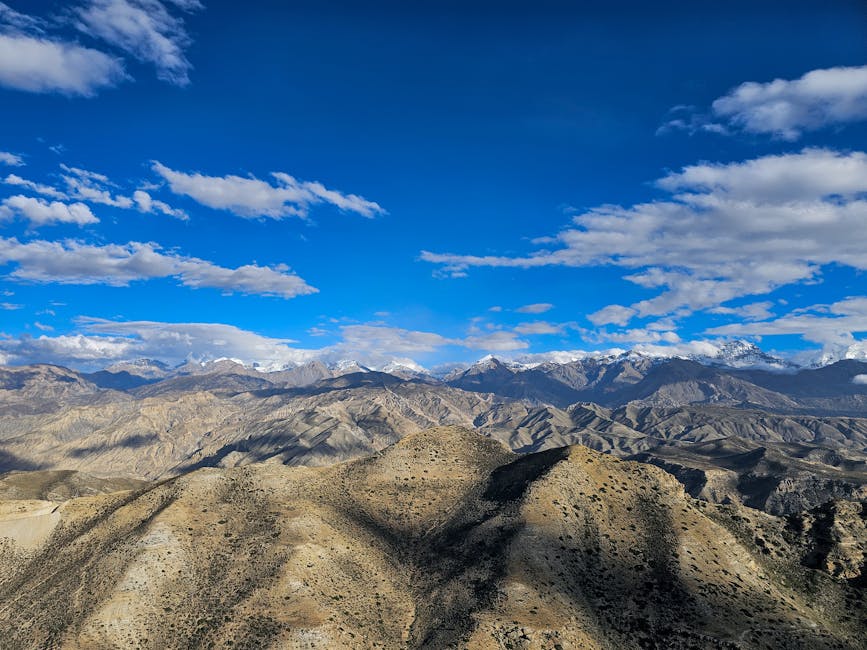
Upper Mustang occupies a trans-Himalayan valley that defies everything you think you know about Nepal. There are no lush jungles here, no terraced rice paddies. Instead, the landscape unfolds in vast, wind-sculpted formations of ochre and crimson — eroded cliffs that look like they belong on Mars, punctuated by caves that humans inhabited ten thousand years ago.
The Kali Gandaki gorge, the deepest canyon on earth, serves as the gateway. Above it, the terrain rises into a high-altitude desert where the air is thin, the light is crystalline, and the silence is so complete it becomes a presence of its own.
This is not scenery. This is confrontation — with scale, with time, with your own smallness. And that confrontation is the beginning of every meaningful journey.
A Living Tibetan Culture
While Tibet itself has undergone profound transformation over the past seven decades, Upper Mustang has quietly preserved what was lost elsewhere. The walled city of Lo Manthang — the ancient capital, population 800 — still functions much as it did in the 15th century. Monks chant in gompas adorned with original murals. Farmers tend barley fields irrigated by systems designed before Columbus sailed.
The Tiji Festival, held each May in Lo Manthang's central square, is not a performance for tourists. It is a three-day Vajrayana Buddhist ceremony in which monks in elaborate costumes reenact the victory of good over evil. To witness it as a guest — not a spectator, but a guest — is to understand what cultural immersion actually means.
The Anatomy of a Luxury Upper Mustang Tour
Access: Helicopter vs. Overland
There are two ways to reach Upper Mustang. The traditional route follows the Kali Gandaki valley on a multi-day overland journey — dramatic, immersive, and physically demanding. The alternative is a private helicopter from Kathmandu or Pokhara, covering in forty minutes what takes days on the ground.
Both have their place. But for the traveler who values depth over endurance, the helicopter opens a profound possibility: you arrive rested, present, and ready to engage with the culture from your first hour rather than your fourth day.
Our Elysian Ultimate Journey was designed with this exact philosophy. Private helicopter access to Mustang is not an indulgence — it is a strategic choice that transforms the quality of every moment that follows.
Where to Stay
Upper Mustang's accommodation landscape has evolved significantly. At the apex sits Shinta Mani Mustang in Jomsom, a property that proves luxury and remoteness are not contradictions. Further into the valley, carefully appointed lodges and restored traditional homes offer comfort without compromising authenticity.
But here is what matters more than any hotel: who curates your encounter with this place. The difference between a luxury tour and a transformative experience lies entirely in the guide, the timing, the introductions, and the moments arranged between the scheduled stops. This is where bespoke journey design becomes not a marketing phrase but a genuine necessity.
The Experiences That Define Mustang
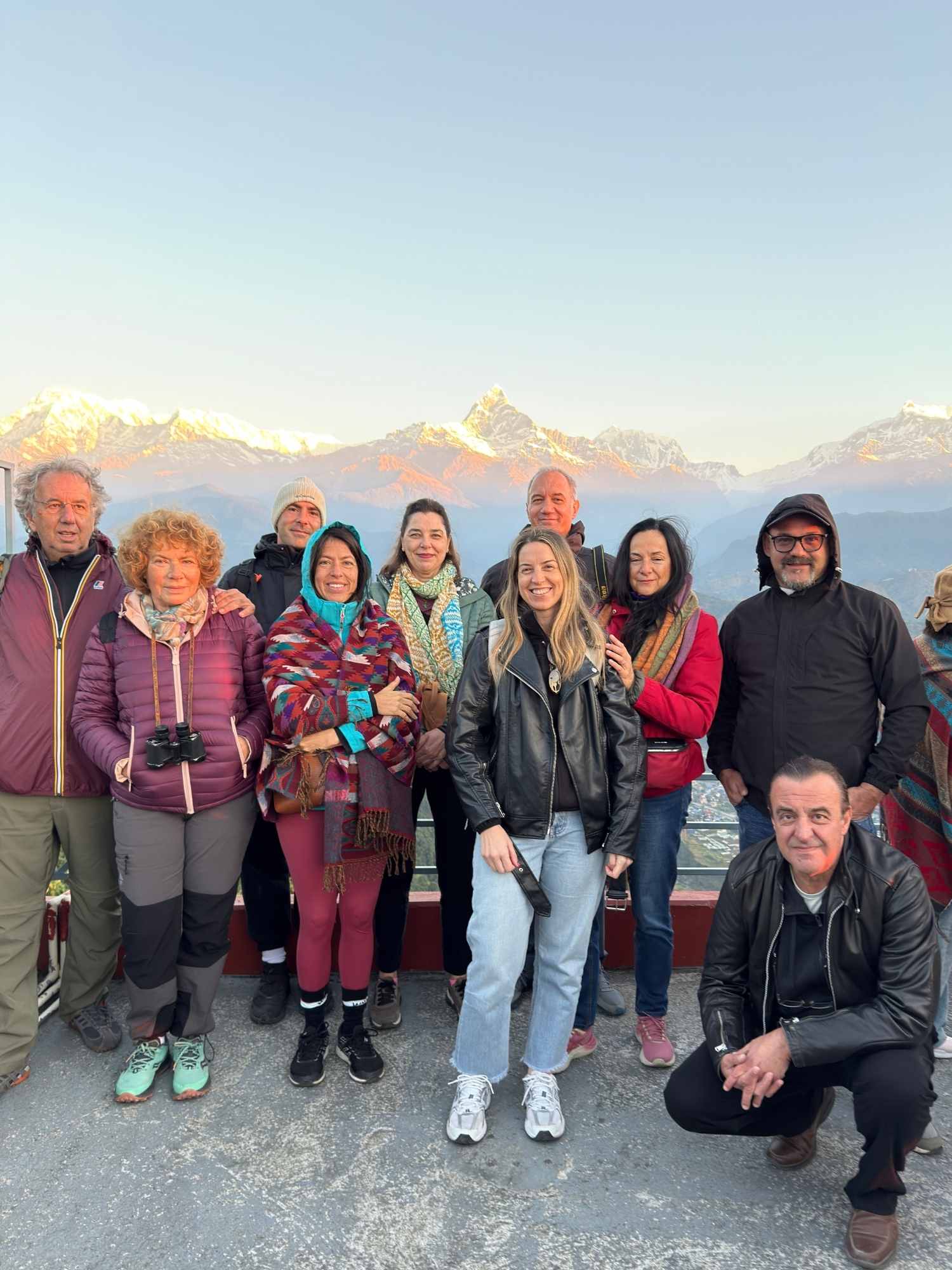
Lo Manthang's Inner Sanctum. The walled city opens differently to different visitors. With the right connections — built over years, not booked online — doors open to private monastery chambers where 15th-century murals have never been photographed, and where the Raja's family still receives guests in a tradition of hospitality older than most European nations. The Sky Caves of Chhoser. At heights that would intimidate most climbers, thousands of caves are carved into sheer cliff faces — dwellings, burial chambers, meditation cells. Some date back 3,000 years. Accessing them with expert guides and proper equipment is an archaeological adventure that rivals anything in Petra or Cappadocia. The Kali Gandaki Fossil Beds. The riverbed of the world's deepest gorge is littered with shaligram stones — black ammonite fossils sacred to Hindus, geological artifacts dating back 140 million years. Walking this riverbed with a knowledgeable guide is a meditation on deep time that no museum can replicate. Sunrise Over Dhaulagiri. At 8,167 meters, Dhaulagiri is the seventh-highest mountain on earth. From Upper Mustang's elevated vantage points, you watch it catch the first light of dawn while the valley below remains in shadow. There is no crowd. There is no railing. There is only you and an immensity that reminds you why you traveled this far.Planning Your Upper Mustang Luxury Tour
When to Go
Spring (March–May) brings warming temperatures, wildflowers in the lower valleys, and the extraordinary Tiji Festival in mid-May. The skies are generally clear, though afternoon winds can pick up. Autumn (September–November) offers the most consistently clear skies and comfortable temperatures. This is when the landscape achieves its most photogenic contrast — deep blue sky against red-ochre cliffs, snow-capped peaks sharp as cut glass on the horizon. Summer (June–August) is Mustang's secret season. While the rest of Nepal drowns in monsoon, Upper Mustang sits in a rain shadow and receives very little precipitation. The landscape greens slightly, the crowds vanish entirely, and the experience takes on an intimacy that other seasons cannot match.Permits and Logistics
Upper Mustang remains a restricted area. The permit — currently $50 USD per person per day — is both a financial barrier and a preservation mechanism. It limits visitor numbers and funds conservation of the region's extraordinary cultural heritage.
These logistics are precisely why attempting Upper Mustang independently is inadvisable for the luxury traveler. Not because it is dangerous, but because without deep local relationships, you will see surfaces rather than substance. The monasteries stay closed. The families remain private. The stories go untold.
This is what a properly designed luxury tour provides: not just access, but invitation.
What It Costs
A comprehensive luxury Upper Mustang experience typically ranges from EUR 5,000 to EUR 15,000 per person, depending on duration, helicopter access, and level of exclusivity. The Elysian Ultimate Journey includes private helicopter transfers, and represents the most immersive way to experience the forbidden kingdom.
But cost is the wrong frame. The right question is: what will you carry home from this place? Not in your luggage — in your understanding of what travel can be when it stops being consumption and starts being encounter.
The Three Tiers of Experiencing Mustang
At Elysian Himalaya, we have designed three distinct approaches to Nepal, each offering a different depth of immersion:
The Classic Journey provides a curated introduction to Nepal's cultural and spiritual heart — Kathmandu Valley, Pokhara, and the lowland treasures. It is the foundation upon which deeper journeys are built.
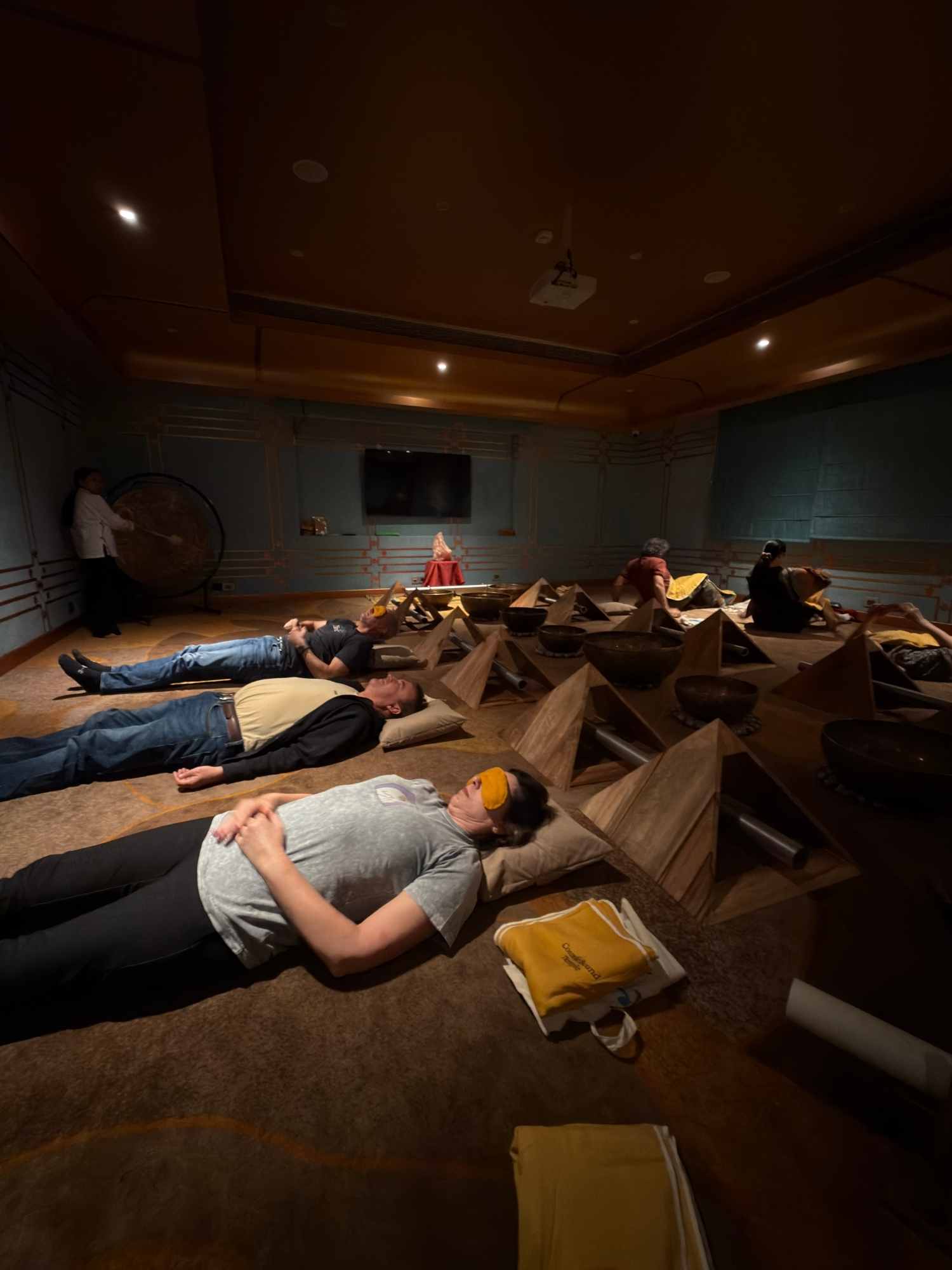
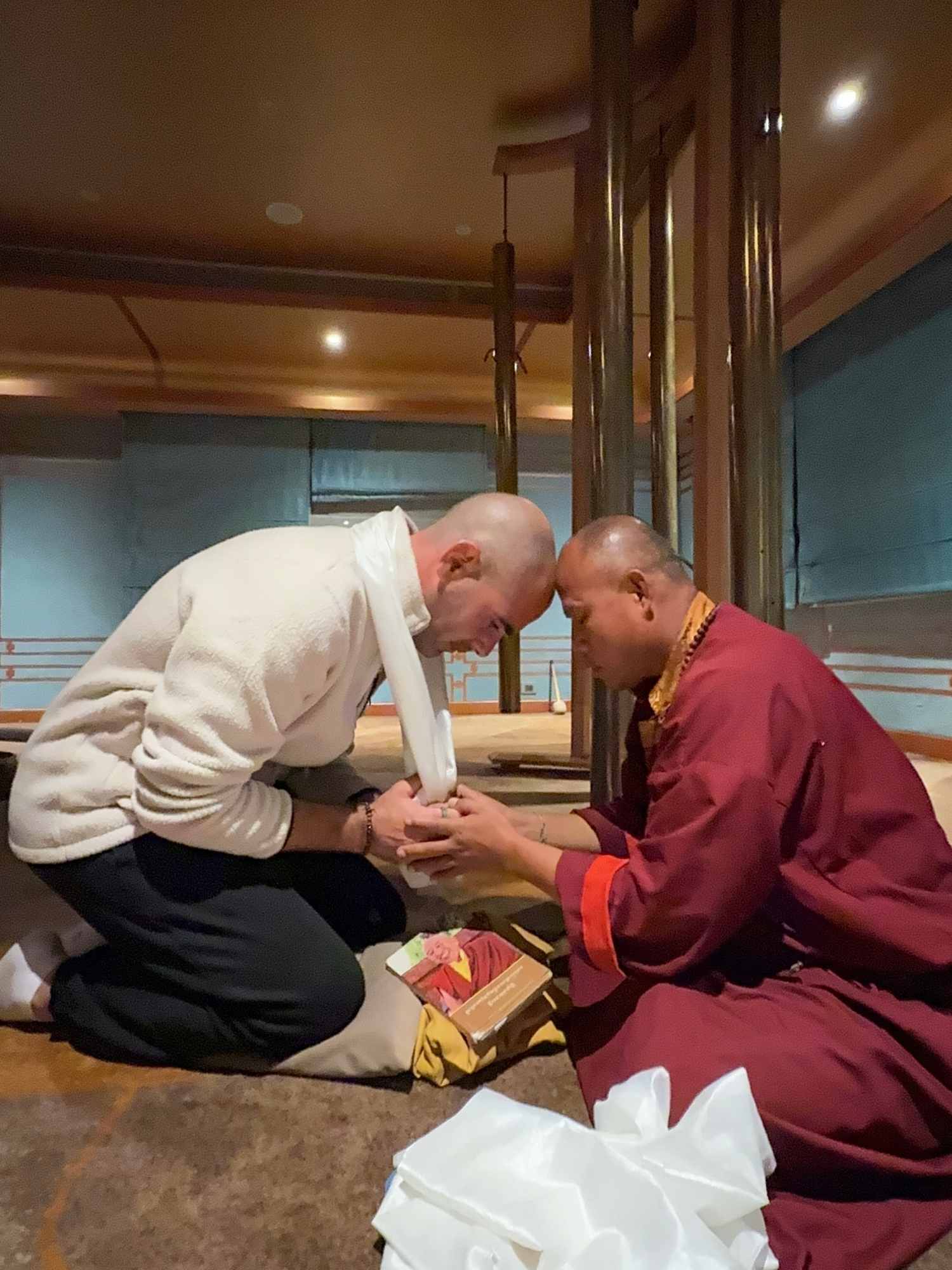
The Premium Journey adds private spiritual encounters, extended cultural immersion, and access to experiences that standard luxury tours cannot arrange. For many travelers, this represents the ideal balance of depth and comfort.
The Ultimate Journey is where Upper Mustang lives. Private helicopter access, the forbidden kingdom, encounters arranged through years of personal relationships — this is the journey for the traveler who has done everything and seeks the one thing that cannot be commodified: genuine discovery.
Beyond Tourism: The Philosophy of Experiential Wealth
There is a reason Upper Mustang attracts a particular kind of traveler. Not the collector of destinations, but the seeker of understanding. Not the person who needs to be seen traveling, but the person who needs travel to see.
The concept of experiential wealth — the idea that the most valuable things in life are not possessed but lived — finds its purest expression in a place like Mustang. Here, wealth means watching a monk restore a 600-year-old mural with pigments ground from the same minerals his predecessors used. It means sitting in a courtyard in Lo Manthang while a former prince explains how his family has navigated seven centuries of change. It means standing in a landscape so vast and so silent that your own thoughts become audible.
This is not tourism. This is transformation. And it is available only to those willing to trade the familiar for the profound.
Your Invitation to the Forbidden Kingdom
Upper Mustang does not advertise. It does not trend on social media. It does not make lists of "places to visit before you die" — because it exists outside that entire framework. It is a place that must be approached with intention, experienced with presence, and left with gratitude.
If the forbidden kingdom is calling to you, share your vision with us. Within 48-72 hours, Dimitrios will personally design a journey that opens Mustang not as a destination, but as a conversation — between you and one of the last truly untouched places on earth.
Because the greatest luxury is not where you go. It is how deeply you arrive.